5 Functions of a Freight Forwarder
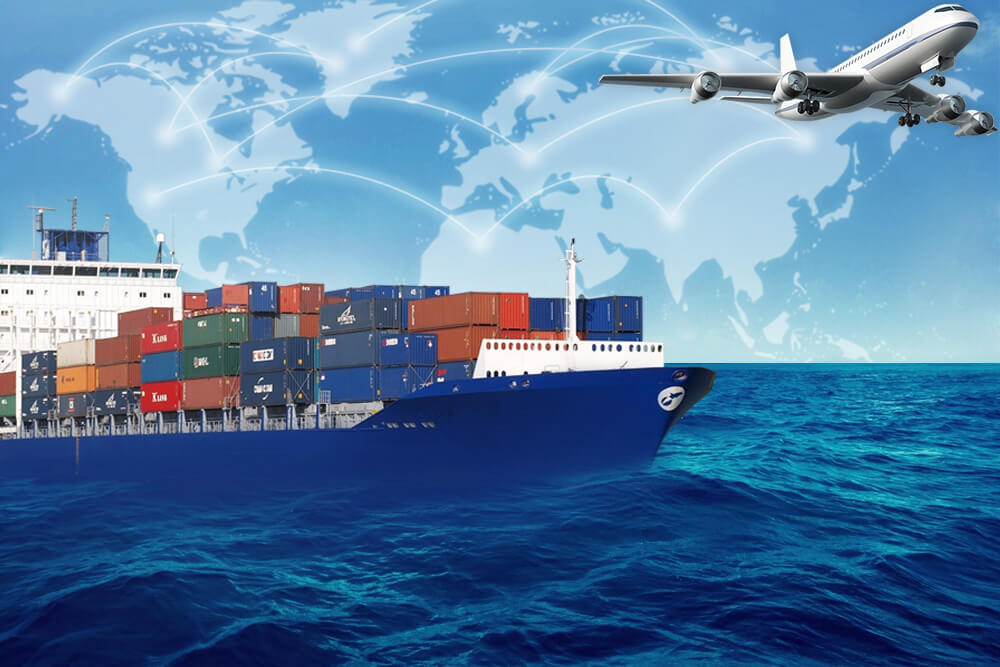
Freight forwarding is the process of organizing and managing the shipment of goods from one place to another. It is a critical part of international trade, as it allows businesses to transport their products to customers around the world.
Freight forwarders are companies that specialise in this service, and they offer a range of functions to ensure that goods are transported safely and efficiently. This five key functions of a freight forwarder :
1. Transportation
Transportation is one of the primary functions of a freight forwarder. It involves moving goods from one location to another, whether that’s by land, sea, or air. The transportation function of a freight forwarder includes everything from choosing the most appropriate mode of transport to tracking the shipment and ensuring it arrives at its destination on time.
Types of transportation services provided by freight forwarders:
Freight forwarders provide a range of transportation services to meet the needs of businesses shipping goods around the world. These services include:
- Ocean Freight: Transportation of goods by sea is the most common mode of transportation for international shipping. Freight forwarders can help businesses choose the most appropriate shipping line and route for their goods.
- Air Freight: For time-sensitive shipments, air freight is often the best option. Freight forwarders can help businesses choose the most cost-effective and efficient air carrier for their needs.
- Road Freight: Road freight is commonly used for shipping goods within a country or region. Freight forwarders can arrange for the appropriate trucks and drivers to transport goods from one location to another.
Examples of transportation modes used in freight forwarding
Examples of transportation modes used in freight forwarding include:
- Container Ships: The most common type of ocean freight transportation, container ships carry goods in large containers that can be easily loaded and unloaded.
- Cargo Planes: Air freight transportation often uses cargo planes, which are designed to carry large volumes of goods over long distances.
- Trucks: Road freight transportation can involve a range of different types of trucks, from small vans to large articulated lorries.
By using a freight forwarder for transportation services, businesses can save time and money, while ensuring that their goods are transported safely and efficiently.
2. Customs Clearance
Customs clearance is the process of getting goods through customs borders and complying with import regulations. This function is critical for businesses that want to import or export goods across international borders. The customs clearance process involves a range of tasks, including completing customs paperwork, paying duties and taxes, and ensuring that the goods meet all legal and regulatory requirements.
Customs clearance is an essential part of international trade because it ensures that goods are transported legally and safely. The customs clearance process helps to prevent the smuggling of illegal goods, protect national security, and ensure that import duties and taxes are paid.
Role of freight forwarders in the customs clearance process
Freight forwarders play a critical role in the customs clearance process. They can help businesses navigate complex customs regulations and ensure that their goods are compliant with all legal and regulatory requirements. Freight forwarders can also help businesses complete the necessary customs paperwork, pay import duties and taxes, and arrange for any necessary inspections or certifications.
In addition, freight forwarders can act as a liaison between businesses and customs officials, ensuring that any issues that arise during the customs clearance process are resolved quickly and efficiently. By using a freight forwarder for customs clearance services, businesses can ensure that their goods are transported legally and efficiently, avoiding costly delays and penalties.
3. Warehousing
Warehousing is another critical function of a freight forwarder. It involves the storage and management of goods before they are transported to their final destination. Warehousing can help businesses manage their inventory, reduce transportation costs, and improve customer service by providing faster delivery times.
Types of warehousing services provided by freight forwarders
Freight forwarders provide a range of warehousing services to meet the needs of businesses shipping goods around the world. These services include:
- Bonded Warehousing: This type of warehousing allows businesses to store their goods in a secure facility before they clear customs. Bonded warehouses are often located near ports and airports, making it easy to transport goods to their final destination.
- Distribution Warehousing: This type of warehousing is designed to store goods that are ready to be shipped to customers. Distribution warehouses are often located closer to customers, making it easier to provide faster delivery times.
- Cross-Docking: This type of warehousing involves moving goods directly from inbound trucks to outbound trucks, without storing the goods in a warehouse. Cross-docking can help businesses reduce warehousing costs and improve delivery times.
Benefits of warehousing for businesses
Warehousing can provide a range of benefits for businesses, including:
- Inventory Management: Warehousing allows businesses to manage their inventory more effectively, ensuring that they always have the products they need to meet customer demand.
- Reduced Transportation Costs: By storing goods in a warehouse closer to their final destination, businesses can reduce transportation costs and improve delivery times.
- Improved Customer Service: Warehousing can help businesses provide faster delivery times and improve customer satisfaction.
By using a freight forwarder for warehousing services, businesses can ensure that their goods are stored securely and managed efficiently, reducing costs and improving customer service.
4. Insurance
Insurance is another important function of a freight forwarder. It involves protecting goods during transportation against loss or damage. Freight forwarders can help businesses obtain the appropriate insurance coverage for their goods, ensuring that they are protected in the event of an accident or other unforeseen event.
Cargo insurance is essential for businesses that transport goods across international borders. It can provide protection against loss or damage to goods during transportation, helping businesses avoid financial losses. Without cargo insurance, businesses could face significant costs in the event of an accident, theft, or other unforeseen events.
Types of insurance coverage provided by freight forwarders
Freight forwarders can provide a range of insurance coverage options to meet the needs of businesses shipping goods around the world. These coverage options include:
- All-Risk Coverage: This type of coverage provides the most comprehensive protection against loss or damage to goods during transportation.
- General Average Coverage: This type of coverage provides protection against losses that occur when goods are deliberately sacrificed to save a ship or cargo from a common peril.
- War and Terrorism Coverage: This type of coverage provides protection against losses that occur as a result of war or terrorist activities.
- Marine Liability Coverage: This type of coverage provides protection against liability for damage or injury caused to third parties during transportation.
By using a freight forwarder for insurance services, businesses can ensure that their goods are protected during transportation, reducing the risk of financial losses and improving their bottom line.
5. Documentation
Documentation is a critical function of a freight forwarder. It involves managing the paperwork and other documents that are required for the shipment of goods. This includes everything from bills of lading and commercial invoices to import/export documentation and customs declarations.
Accurate documentation is essential for the successful shipment of goods. Incorrect or incomplete documentation can result in delays, fines, or even the seizure of goods by customs officials. Proper documentation also helps to ensure that the correct taxes and duties are paid, and that the goods are transported legally and efficiently.
Freight forwarders play a critical role in the documentation process. They can help businesses ensure that all necessary documents are complete and accurate, and that they comply with all legal and regulatory requirements. Freight forwarders can also act as a liaison between businesses and customs officials, ensuring that any issues with documentation are resolved quickly and efficiently.
In addition, freight forwarders can provide businesses with the necessary advice and guidance on the documentation process, helping them navigate complex requirements and avoid costly mistakes. By using a freight forwarder for documentation services, businesses can ensure that their goods are transported legally and efficiently, avoiding costly delays and penalties.
Contact us to find out more about our services.