UNDERSTANDING DEMURRAGE AND DETENTION : HOW TO AVOID EXTRA CHARGES AT THE PORT
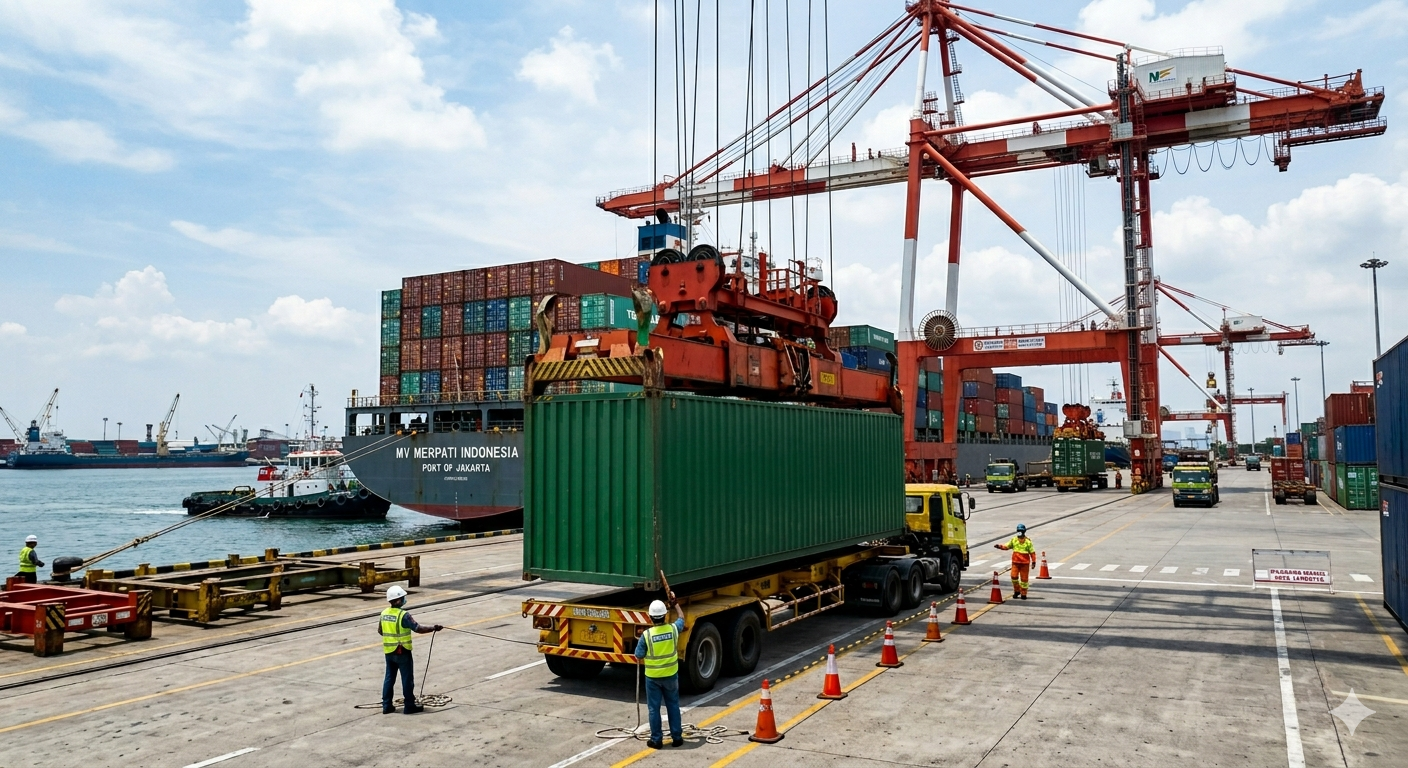
Navigating the world of international shipping can feel like walking through a minefield of hidden fees. Among the most frustrating and expensive are Demurrage and Detention. While they sound like dry legal terms, they can easily add thousands of dollars to your logistics budget if you aren't careful.
Here is a comprehensive guide to understanding these charges and, more importantly, how to avoid them.
- Defining the Terms : Demurrage vs. Detention
Though often used interchangeably, these fees apply at different stages of the container’s journey.
|
Feature |
Demurrage |
Detention (Per Diem) |
|
Where it happens |
Inside the terminal/port. |
Outside the terminal/port. |
|
The Trigger |
The container stays at the port longer than the "free days" allowed. |
The container is kept by the merchant longer than the agreed time before being returned empty. |
|
Who charges it? |
The Shipping Line (and sometimes the Terminal). |
The Shipping Line. |
What is "Free Time"?
Every shipping contract includes a set number of free days. This is the grace period provided by the carrier to move your cargo. Once this clock runs out, the daily charges begin, often increasing in "slabs" (e.g., $100/day for the first 3 days, $200/day thereafter).
2. Why Do These Charges Occur?
It’s rarely a single person's fault, but rather a breakdown in the supply chain. Common culprits include:
- Documentation Errors: Missing Bill of Lading, incorrect commercial invoices, or late customs filings.
- Congestion: Port strikes, bad weather, or seasonal peaks (like Chinese New Year) that slow down terminal operations.
- Logistics Hiccups: Lack of available truck drivers or chassis to pick up the container.
- Customs Inspections: Physical exams by authorities that hold up the release of the cargo.
3. Strategies to Avoid Extra Charges
The key to avoiding these costs is proactive management rather than reactive firefighting.
A. Pre-Clear Your Customs
Don’t wait for the ship to dock to start your paperwork. Aim to have all documents (Commercial Invoice, Packing List, Certificate of Origin) submitted and cleared while the vessel is still at sea.
B. Request "Extended Free Time"
If you know you are shipping to a congested port or have a complex inland delivery, negotiate for more free days at the time of booking. Large shippers often get 10–14 days of free time, whereas the standard might only be 3–5 days.
C. Have a "Plan B" for Trucking
Relying on a single trucking company is risky. Maintain relationships with multiple carriers or use a digital freight forwarder with a large network to ensure someone is available to "pull" your container the moment it's cleared.
D. Use SOC Containers
SOC (Shipper Owned Containers) are containers owned by the merchant, not the shipping line. Since you aren't "borrowing" the carrier’s equipment, you generally do not pay demurrage or detention fees—though you will still pay port storage fees.
4. Summary Checklist for Success
To keep your shipments on track and your budget intact, follow this workflow :
- Verify: Confirm the exact number of free days for both demurrage and detention.
- Monitor: Use tracking software to know exactly when the "vessel arrives" vs. when the "container is discharged."
- Communicate: Ensure your customs broker and trucker are talking to each other.
- Analyze: If you are hit with fees, request a "Demurrage/Detention Clock" report from the carrier to verify the dates are accurate
Understanding the intricacies of Demurrage and Detention is not just about avoiding fines, but about creating a more efficient and competitive supply chain. With meticulous planning and proactive communication, these unexpected costs can be kept to a minimum. Have you double-checked your shipping contracts today? Make sure every second of your 'Free Time' is utilized to the fullest for the smooth operation of your business.