HOW TO AVOID RED LINE CUSTOMS INSPECTIONS AND PREVENT SHIPMENT DELAYS
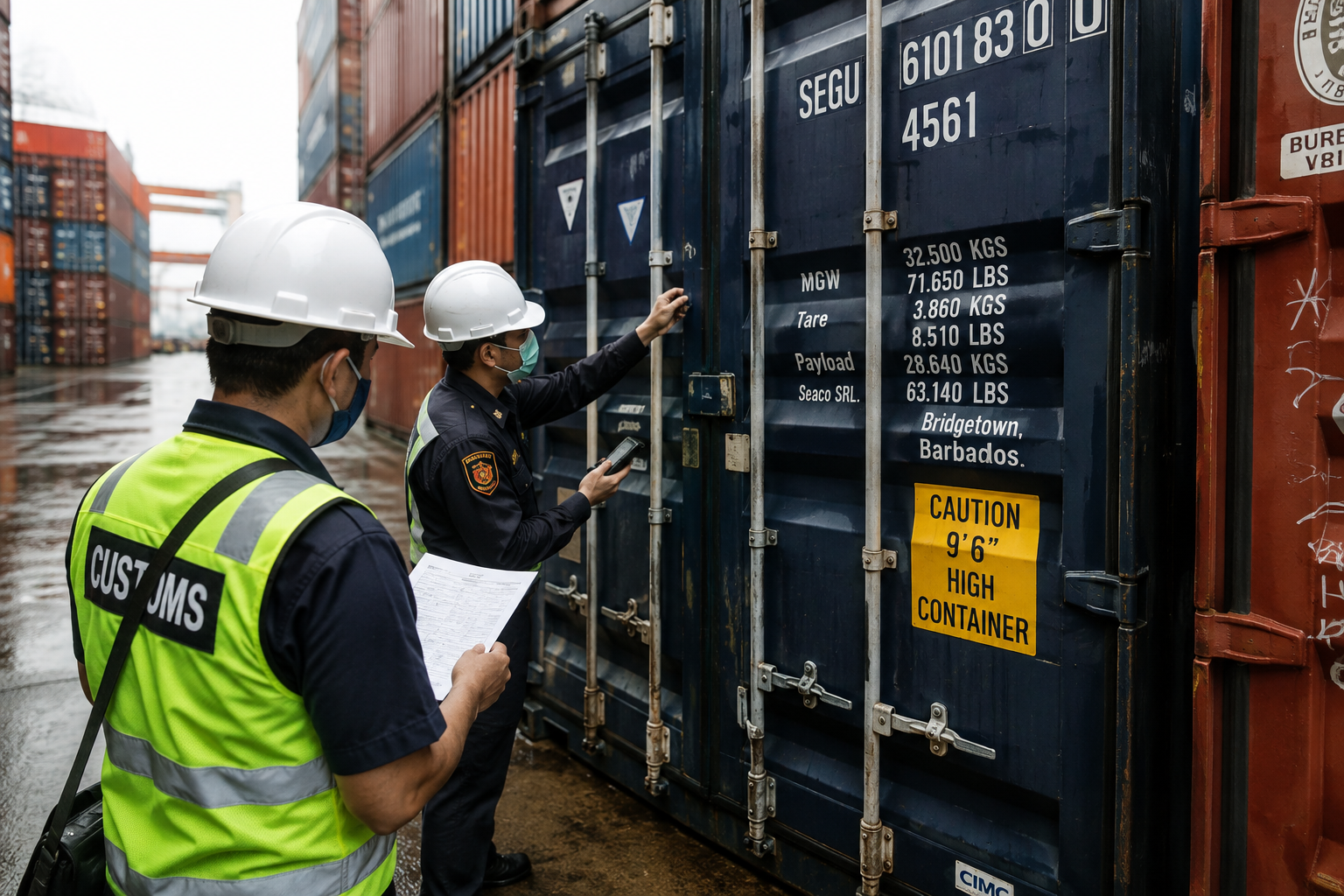
For businesses relying on global supply chains, few things are more frustrating than having a container flagged for the Customs Red Line (Jalur Merah). Being assigned to the Red Line means Customs authorities must perform a thorough physical inspection of the cargo alongside an in-depth document audit before issuing the official Release Permit (SPPB).
While the Red Line is a standard regulatory procedure, unexpected delays at the port can quickly cascade into financial losses—triggering steep demurrage, detention, and port storage fees.
To protect your bottom line and maintain an agile supply chain, proactive risk management is essential. Here is a comprehensive guide on how to navigate and minimize the risk of prolonged Red Line holds.
Understanding What Triggers the Customs Red Line
Mitigating risk starts with understanding why Customs authorities select specific shipments for physical inspection. The primary triggers include:
- New Importer Profile: Companies with a limited import history or unverified compliance records are routinely inspected to establish operational credibility.
- High-Risk Commodities: Shipments involving restricted items, dangerous goods, or regulated products naturally attract higher scrutiny.
- Lartas (Prohibition & Restriction) Goods: Products requiring specialized permits—such as electronics, food, cosmetics, chemicals, or agricultural items—must meet strict regulatory benchmarks (e.g., BPOM, SNI, or Quarantine clearances).
- Data Discrepancies: Any inconsistency between shipping documents (Bill of Lading, Commercial Invoice, Packing List) and the actual cargo profile.
- Automated Risk Management Systems: Customs algorithms use automated selection (Random Checks) to maintain regulatory oversight across all trade lanes.
Proactive Strategies to Prevent & Expedite Red Line Inspections
While random checks cannot be completely avoided, you can significantly reduce processing times and prevent unexpected flags by taking these strategic precautions:
- Ensure Absolute Document Accuracy
Your Import Declaration (PIB) must match your supporting documents down to the smallest detail:
- Precise HS Code Classification: Ensure your Harmonized System (HS) codes strictly align with official tariff schedules. Misclassification is one of the most common reasons for administrative penalties and prolonged holds.
- Detailed Packing Lists: Clearly itemize product descriptions, part numbers, serial numbers, brand names, and net/gross weights.
- Verifiable Customs Value: Provide clear proof of transaction—such as purchase orders, contracts, and official wire transfer receipts—to validate invoice values without debate.
- Secure Regulatory Permits Before Departure
Do not wait for your container to dock at the destination port before handling permits. Ensure that all Import Licenses (PI), Standards Certificates, and Ministry approvals are fully registered and integrated within the National Single Window (INSW) system well before the vessel sails.
- Request Origin Inspections for Sensitive Cargo
For Full Container Load (FCL) shipments or high-value commodities, consider obtaining a Surveyor Report (LS) or pre-shipment inspection at the port of origin. Pre-inspections build immediate credibility with destination Customs officers.
- Optimize Cargo Packing for Fast Inspection
Instruct your overseas suppliers to pack and organize containers methodically. Grouping items logically by part number and applying clear labels makes it easier for Customs inspectors to verify contents quickly, drastically reducing physical handling time at the terminal.
What to Do If Your Shipment Gets Flagged
If your cargo is assigned to the Red Line, swift and decisive action will minimize costs:
- Respond Immediately to Document Requests: Submit any requested supplementary evidence or valuation proof right away.
- Deploy an On-Site Representative: Ensure your logistics provider or broker has an operational agent present on the inspection floor to assist officers during container unsealing and re-packing.
- Maintain Cooperative Compliance: If valuation or tariff disputes arise, present official manufacturer catalogs, technical datasheets, and historical payment records to support your declaration professionally.
Streamline Your Customs Clearance with Naval Cargo
Navigating international trade laws requires deep local expertise and proactive logistics management. Partnering with an experienced freight forwarder is your strongest defense against costly port delays.
At Naval Cargo, we specialize in end-to-end freight forwarding, HS code consultation, Lartas permit management, and seamless Customs Clearance. Our dedicated team ensures your cargo moves through port checkpoints efficiently, transparently, and without unnecessary costs.
Need expert support for your import-export operations?
Contact the Naval Cargo team today to optimize your logistics and keep your shipments moving forward.