LCL VS. FCL : A STRATEGIC GUIDE TO SELECTING THE MOST COST-EFFECTIVE SHIPPING METHOD
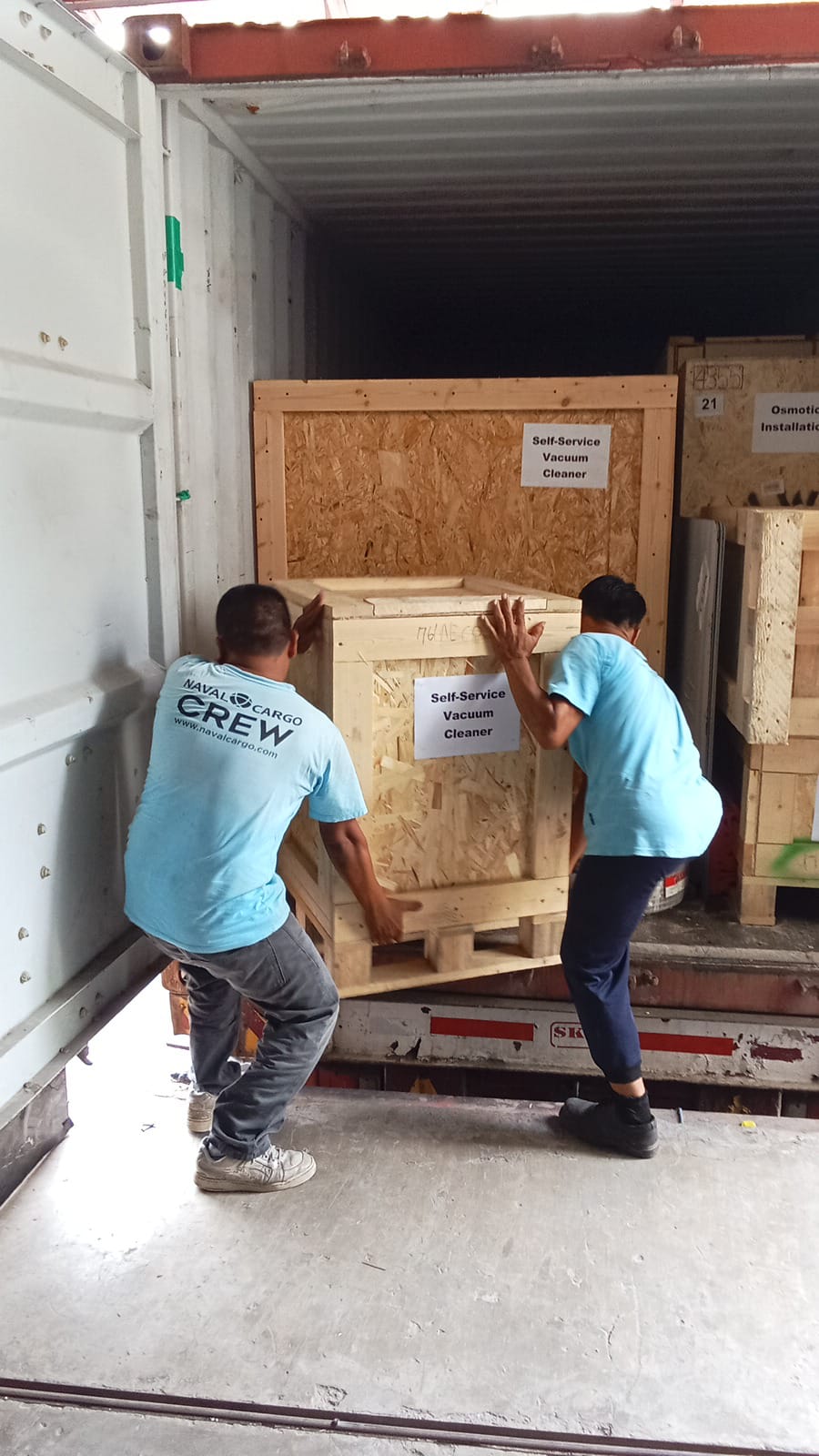
Navigating the world of ocean freight can feel like trying to steer a massive cargo ship through a narrow strait—one wrong turn and your budget takes a hit. When it comes to sea freight, the most pivotal decision you'll make is choosing between Less than Container Load (LCL) and Full Container Load (FCL).
Selecting the right method isn't just about the size of your boxes; it’s a strategic move that impacts your bottom line, delivery speed, and supply chain reliability. Let’s break down the mechanics of each to help you decide which fits your business best.
Understanding the Basics
Before we dive into the strategy, let's define the players:
- FCL (Full Container Load): You pay for the exclusive use of an entire 20ft or 40ft shipping container. Whether you fill it to the brim or leave it half-empty, the "box" is yours.
- LCL (Less than Container Load): Your cargo shares container space with goods from other shippers. You pay only for the volume (usually in cubic meters) that your goods occupy.
The Strategic Comparison: LCL vs. FCL
|
Feature |
LCL (Less than Container Load) |
FCL (Full Container Load) |
|
Shipment Volume |
Best for small volumes (1–15 CBM). |
Best for large volumes (>15 CBM). |
|
Cost Structure |
Charged per Cubic Meter (CBM). Higher unit cost. |
Flat rate per container. Lower unit cost if full. |
|
Transit Time |
Slower (requires consolidation/de-consolidation). |
Faster (direct port-to-port). |
|
Security |
Higher risk of handling damage or mix-ups. |
Lower risk; container is sealed at the origin. |
|
Flexibility |
High—good for small, frequent deliveries. |
Low—requires enough stock to fill a container. |
When to Choose LCL
LCL is your go-to when your shipment volume is small. If you are a startup or testing a new market, shipping 2 or 3 pallets via LCL is far more economical than paying for a 20ft container that is 80% air.
Strategic Advantages:
- Inventory Management: It allows for "Just-in-Time" shipping, preventing you from overstocking just to fill a container.
- Cash Flow: Smaller, more frequent shipments mean you aren't tying up all your capital in massive amounts of inventory.
Pro Tip: Keep an eye on "minimum billable volumes." Most LCL providers charge for at least 1 CBM, even if your goods are smaller.
When to Choose FCL
FCL is the king of efficiency for bulk orders. Generally, once your shipment exceeds 15 cubic meters (CBM), the flat rate of an FCL container often becomes cheaper than the "per CBM" rate of LCL.
Strategic Advantages:
- Speed: Because your container doesn't need to be opened and sorted at a consolidation hub, it often arrives 4–7 days faster than LCL.
- Security: Since you are the only one with goods in the container, the risk of damage from other people’s poorly packed cargo is zero.
- Easier Tracking: FCL is much simpler to track via the shipping line's portal.
Hidden Costs to Watch Out For
While the freight rate is important, don't ignore the "land-side" costs:
- LCL Handling Fees: LCL often carries higher destination charges (Terminal Handling Charges) because the warehouse has to sort your goods manually.
- Demurrage and Detention: If you use FCL, you have a limited window to return the empty container. Delays can lead to hefty daily fines.
- Packaging: LCL goods are handled more frequently. You might need to spend more on heavy-duty crating or palletizing to ensure your goods survive the extra hands.
The Verdict: How to Decide?
To select the most cost-effective method, ask yourself these three questions:
- What is my total volume? If it’s over 15 CBM, look at FCL prices first.
- How urgent is the delivery? If you have a hard deadline, FCL’s direct route is worth the premium.
- Is the cargo fragile? FCL offers a "hands-off" journey that is much safer for delicate items.
LCL is about flexibility and low entry costs, while FCL is about scale, speed, and security. By matching your shipping method to your specific business cycle, you can turn logistics from a headache into a competitive advantage.
LCL or FCL? If you’re not sure, we’re here to help! At Naval Cargo, we don’t just ship boxes, we provide solutions. Reach out for a free consultation and find the most cost-effective way to send your shipment today!