A COMPREHENSIVE GUIDE TO DEMURRAGE, DETENTION, AND STORAGE
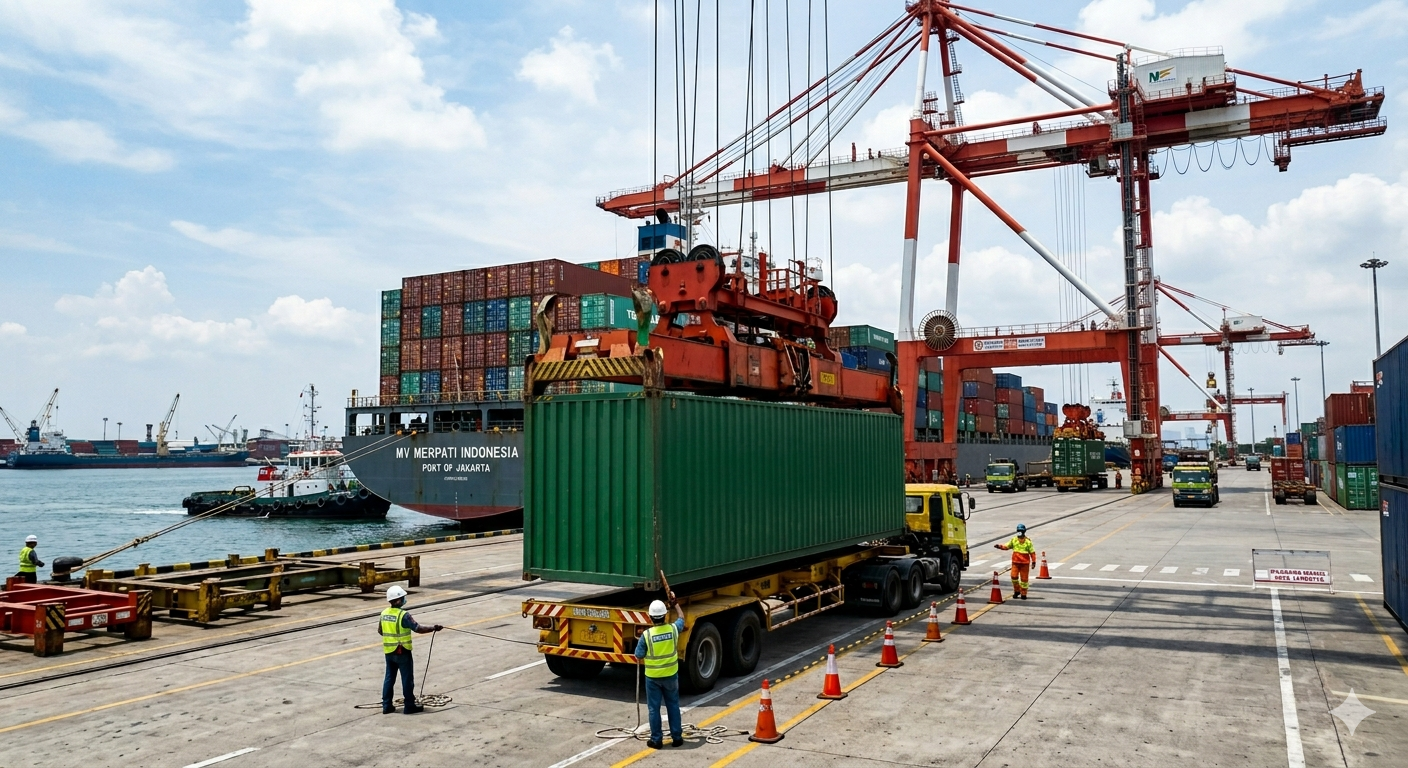
In the complex ecosystem of international trade, time is not just money it is a critical asset. For importers and exporters, understanding the nuances of terminal and container fees is essential to maintaining a healthy bottom line. Three terms often cause confusion and unexpected costs: Demurrage, Detention, and Storage.
While they may seem like mere administrative penalties, these charges are designed to ensure the fluidity of global supply chains. Below is a detailed breakdown of these concepts to help you navigate your shipping operations with precision.
1. Demurrage: The Clock Inside the Terminal
Demurrage refers to the charges levied by the shipping line when a container remains inside the terminal beyond the allotted
"free time".
- Location: Occurs strictly within the terminal or container yard (CY).
- Trigger: It begins the moment the free period expires while the container is still waiting to be picked up and cleared.
- Primary Causes: Common culprits include delays in customs clearance, missing documentation (such as the Bill of Lading), or lengthy cargo inspections.
- The Goal: Shipping lines use these fees to discourage using the port as a long-term storage facility, ensuring that terminal space remains available for incoming vessels.
2. Detention: The Penalty Beyond the Gates
Detention (sometimes referred to as per diem) occurs outside the port. It is the fee charged for the extended use of the container itself until it is returned empty to the carrier's designated depot.
- Location: Occurs outside the terminal, typically at the consignee’s warehouse or during inland transit.
- Trigger: It applies when the container is out of the port but is not returned within the agreed-upon timeframe.
- Primary Causes: Often caused by slow unloading processes at the warehouse, lack of available trucking transport, or logistical bottlenecks during the "last mile" delivery.
- The Goal: This ensures that the physical equipment (the container box) is circulated back into the carrier's network for the next shipment.
3. Storage: The Ground Rent
While often confused with demurrage, Storage is a separate fee charged by the Terminal Operator rather than the shipping line.
- Definition: It is essentially "rent" for the physical space occupied by the container on the terminal's property.
- Entity: This fee is collected by the port authority to manage yard congestion.
- Overlap: In many cases, an importer might be hit with both Demurrage (to the shipping line) and Storage (to the port) simultaneously if a container sits idle for too long.
Comparison Matrix: At a Glance
|
Feature |
Demurrage |
Detention |
Storage |
|
Billing Entity |
Shipping Line |
Shipping Line |
Port/Terminal Authority |
|
Asset Charged |
Container Equipment |
Container Equipment |
Physical Land/Space |
|
Location |
Inside the Port |
Outside the Port |
Inside the Port |
|
Status |
Full Container |
Empty Container (usually) |
Full or Empty |
Strategic Best Practices to Mitigate Costs :
To protect your margins from these "invisible" costs, consider the following proactive strategies:
- Negotiate "Combined Free Time": Request a global free time window from your carrier that covers both demurrage and detention, offering more flexibility for your inland operations.
- Pre-Clearance & Documentation: Ensure all customs documentation, licenses, and permits are finalized before the vessel even berths at the port.
- Optimize Warehouse Throughput: Coordinate with your warehouse team to prioritize the unloading of containers nearing their "last free day".
- Leverage Bonded Warehousing: For goods requiring long-term inspections or delayed permits, moving cargo to a Bonded Warehouse (PLB) can often be more cost-effective than paying daily port penalties.
Don't let unforeseen logistical hurdles erode your profit margins. Partner with Naval Cargo today and experience a seamless shipping journey where precision meets reliability. Let our experts handle the complexities of container management while you focus on scaling your business. Contact Naval Cargo now—your gateway to hassle-free global logistics.